
Who it's for
Individuals diagnosed with primary or secondary lymphedema who experience persistent or chronic limb swelling and require therapeutic management of lymphatic edema.
How it works
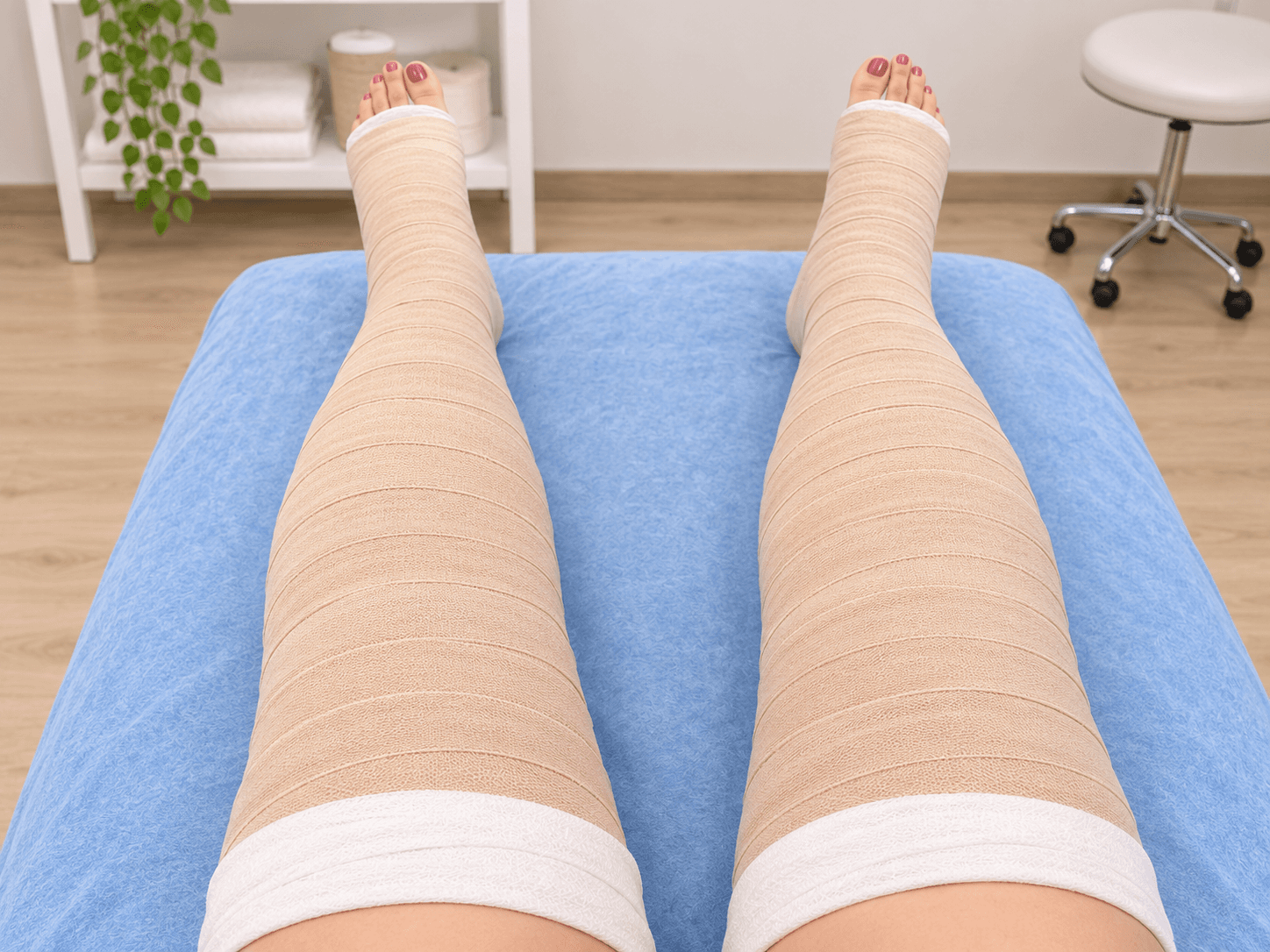
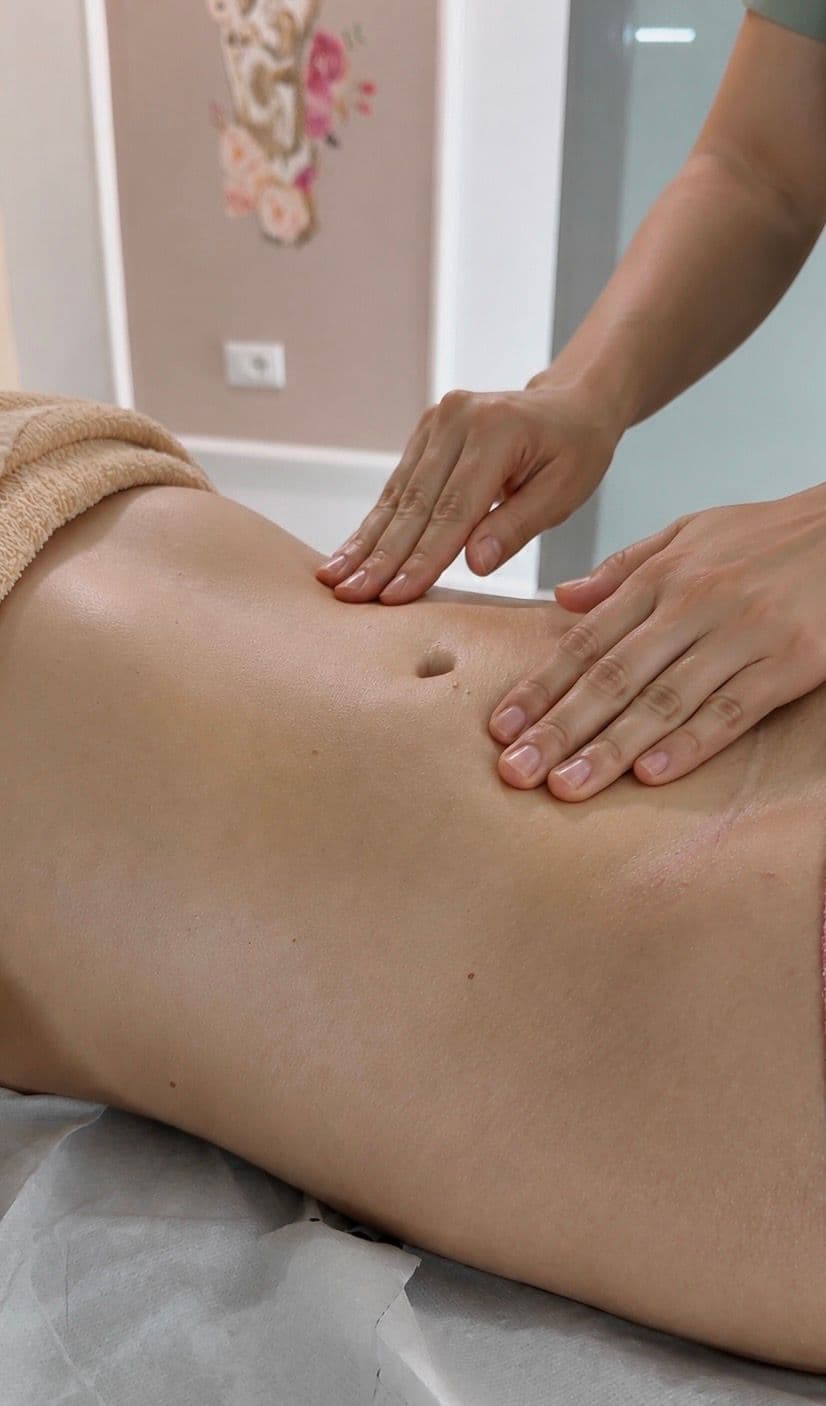
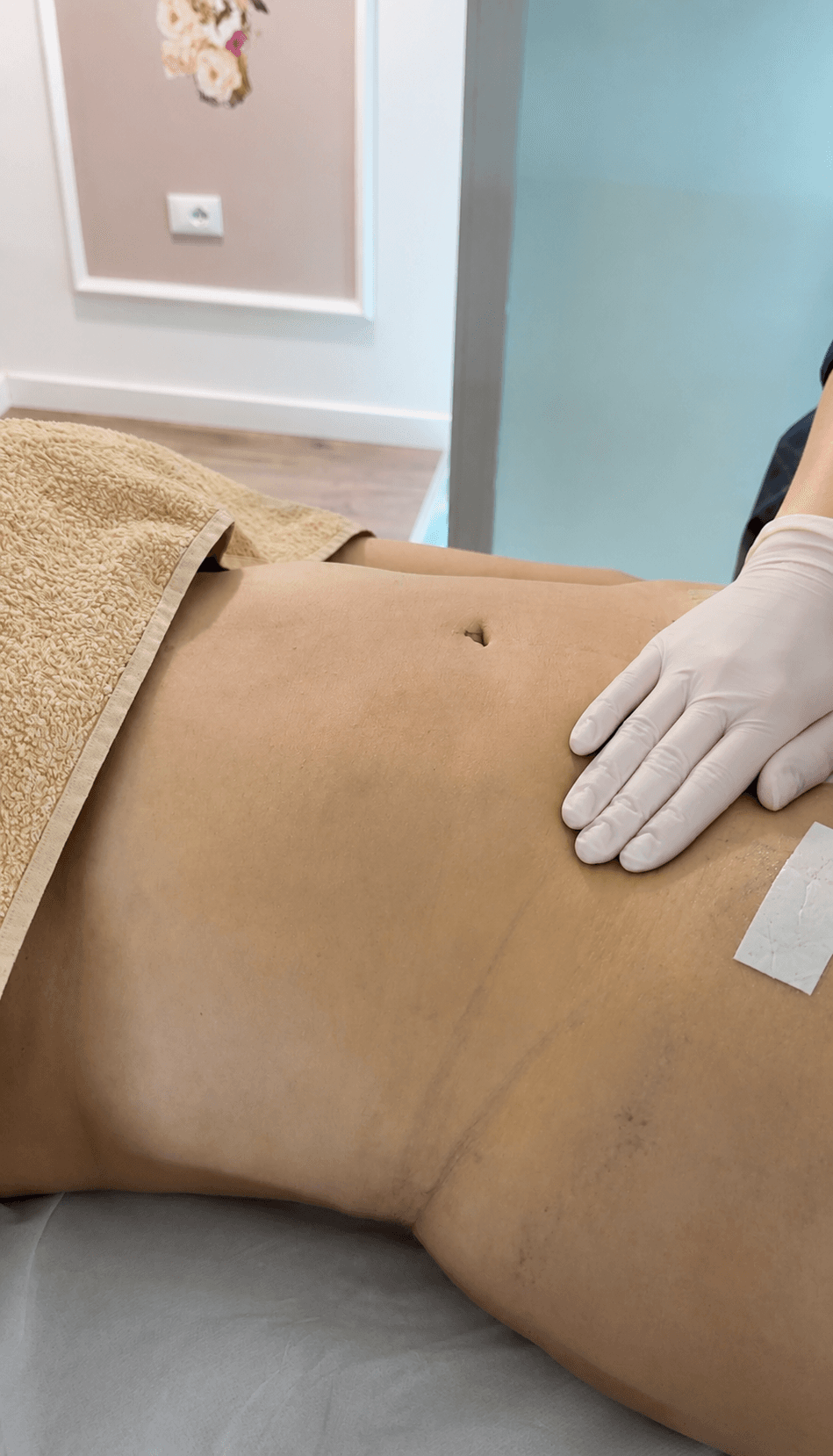
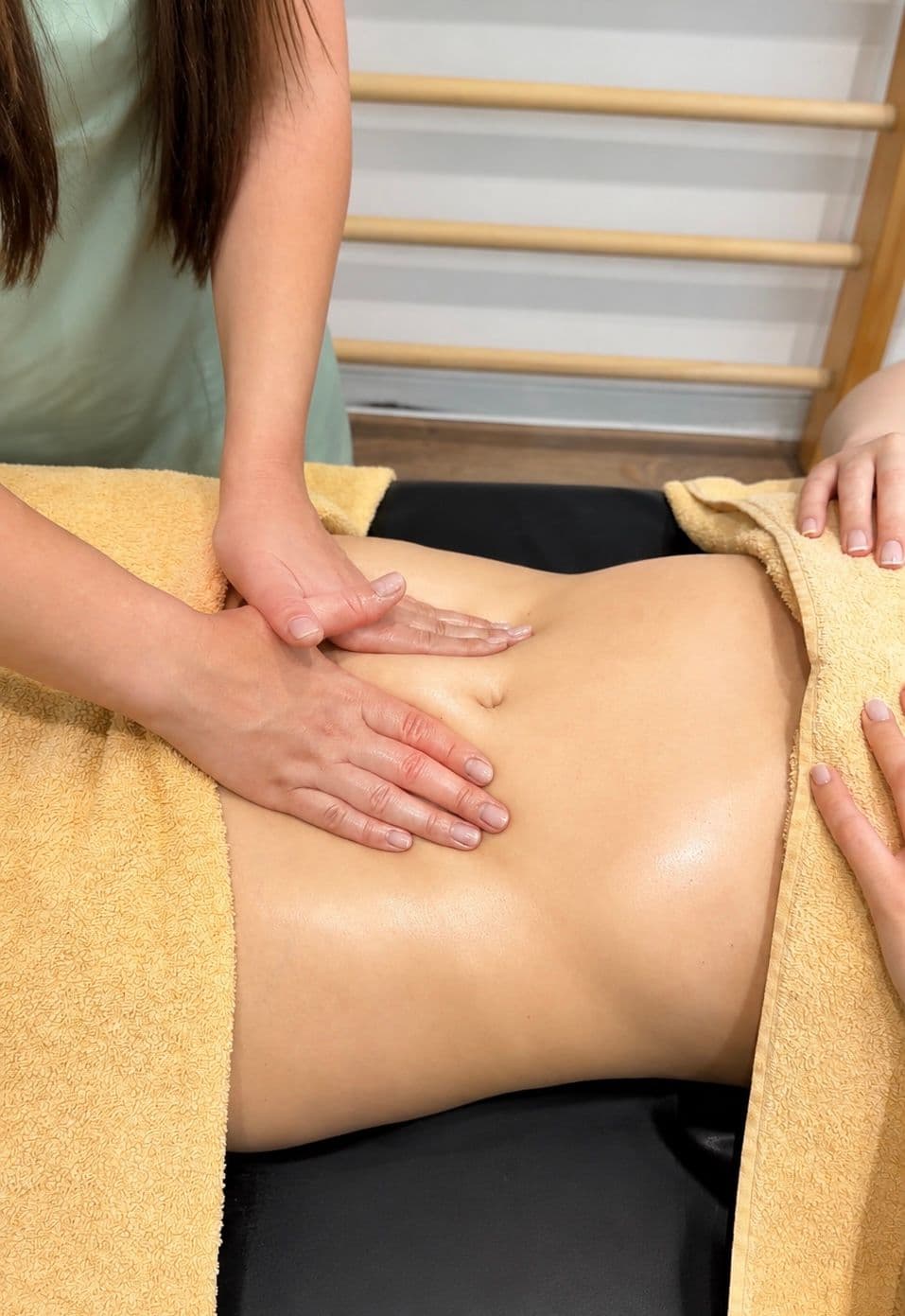
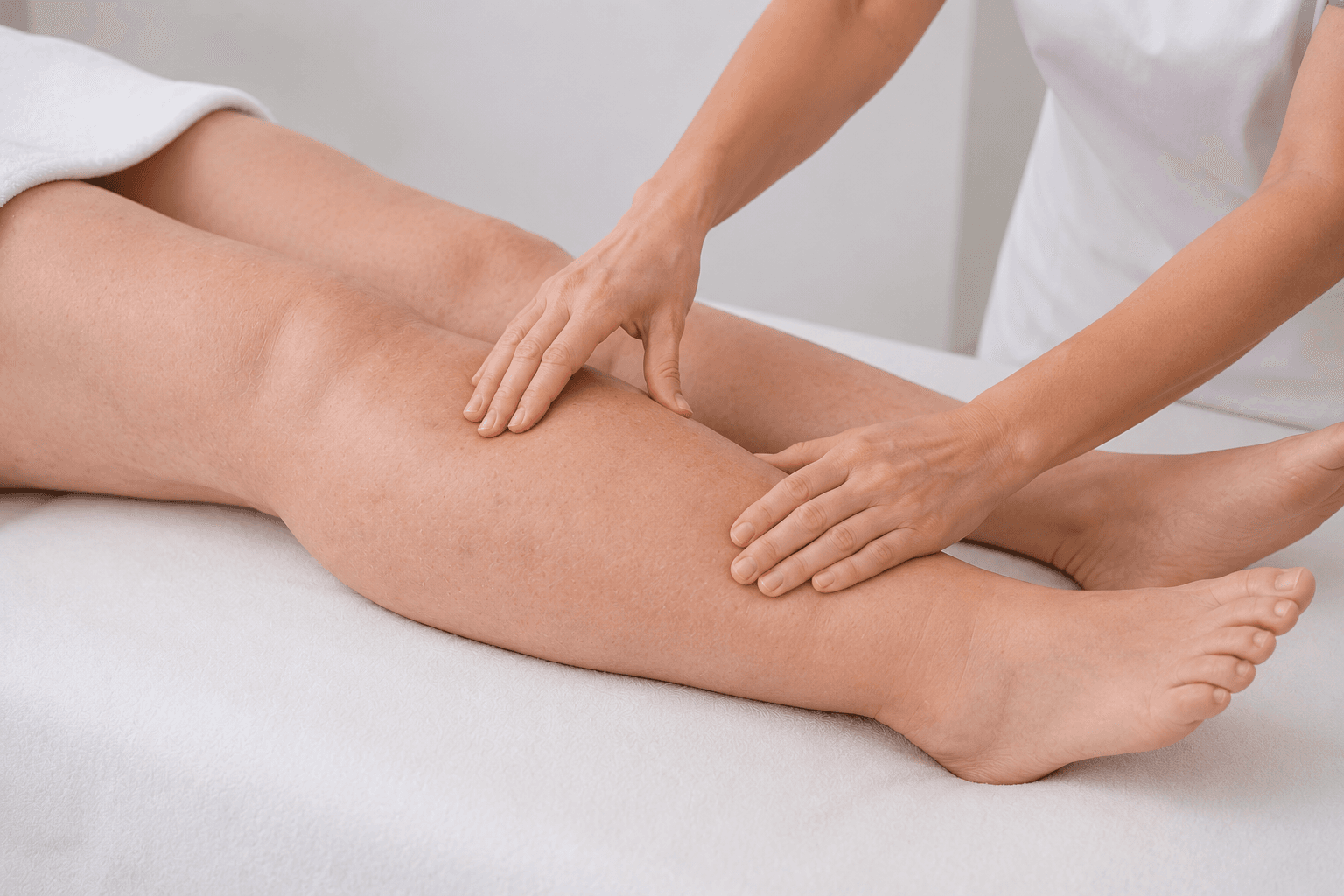
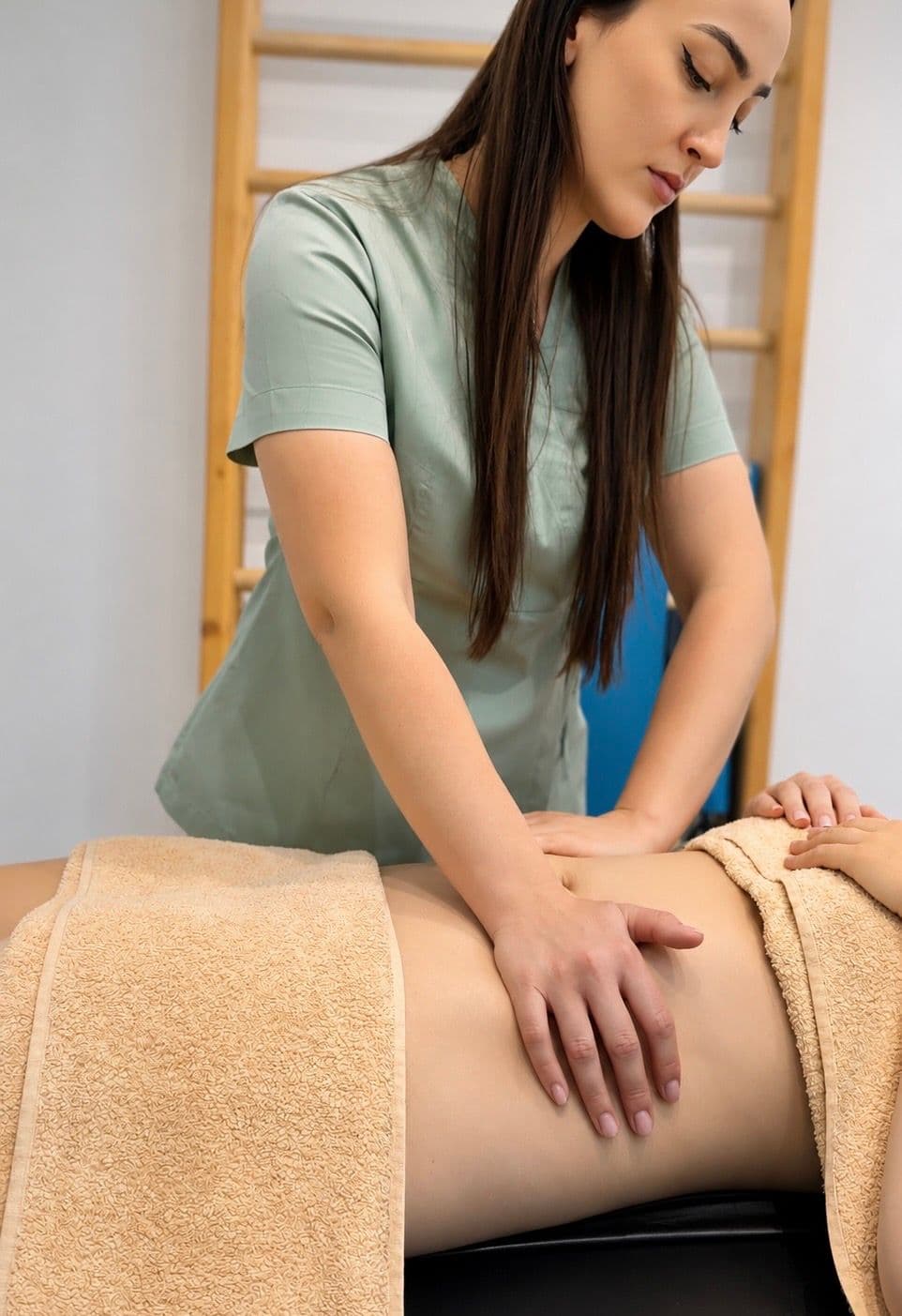
Complete Decongestive Therapy (CDT) is a structured therapeutic approach to lymphedema management, aiming to reduce edema and maintain treatment outcomes through an individualized care program. Treatment begins with an assessment of the patient’s condition, including the extent of swelling, tissue characteristics, mobility and clinical factors that influence the selection of therapeutic interventions. Depending on the assessment, the CDT program includes: - Manual Lymphatic Drainage (MLD): a specialized manual technique designed to support lymphatic transport and facilitate the mobilization of interstitial fluid. - Multilayer Compression Bandaging: the application of compression materials to help reduce edema and control limb volume. - Therapeutic Exercises: individually adapted exercises performed in combination with compression to support muscle pump function. - Skin Care: preventive skin care measures to maintain skin integrity and reduce the risk of infection. - Education and Self-Management: guidance on home care and compression use during the maintenance phase. Treatment is organized into two phases: 1. Reduction Phase: aims to decrease edema and limb volume through combined therapeutic interventions. 2. Maintenance Phase: focuses on preserving treatment outcomes through properly fitted compression garments, exercise and long-term self-management. The treatment plan is tailored to each patient’s clinical condition, tolerance and individual needs.
Key Benefits
- Reduction of edema and limb volume.
- Support of lymphatic transport.
- Improved mobility and physical function.
- Long-term lymphedema management.
- Maintenance of skin integrity.
- Education on self-management and complication prevention.